
-
 Sold out
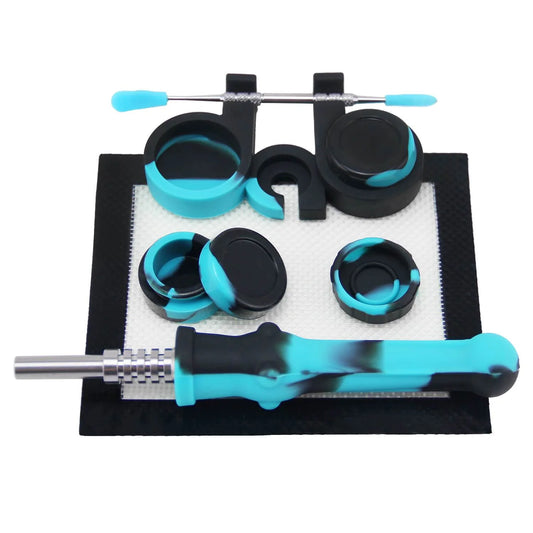
Silicone Nectar Collector Kit
Regular price $19.95 USDRegular priceUnit price per -
Lookah Seahorse Queen Electric Nectar Collector
Regular price $119.95 USDRegular priceUnit price per -
Happy Kit Mini Dab Kit Nectar Collector
Regular price $39.95 USDRegular priceUnit price per -
Huni Badger Portable Electric Nectar Collector
Regular price $189.95 USDRegular priceUnit price per -
Grateful Dead x Pulsar Steal Your Face Glycerin Glass Nectar Collector
Regular price $54.95 USDRegular priceUnit price per -
Pulsar Quartz & Rosewood Deco Dab Straw
Regular price $14.95 USDRegular priceUnit price per -
Pulsar Quartz Twist Perc Glass Nectar Collector
Regular price $54.95 USDRegular priceUnit price per -
 Sold out
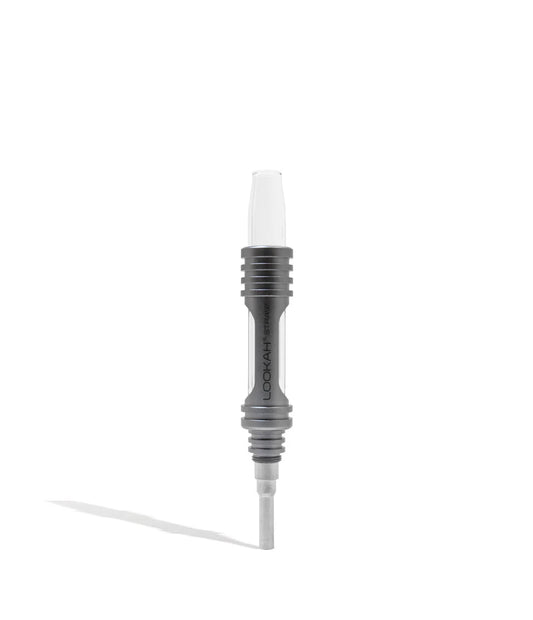
Lookah Dab Straw Kit
Regular price $34.95 USDRegular priceUnit price per -
Lookah Seahorse King Electric Nectar Collector
Regular price $64.95 USDRegular priceUnit price per -
Recycler Titanium Tip Glass Nectar Collector
Regular price $34.95 USDRegular priceUnit price per -
Lookah Seahorse Pro Plus Electric Nectar Collector
Regular price $49.95 USDRegular priceUnit price per -
 Sold out
Lookah Seahorse Nectar Collector
Regular price $39.95 USDRegular priceUnit price per


Nectar Collectors
A nectar collector is a portable concentrate tool that lets you take quick, controlled pulls without setting up a full rig. If you want something simple, easy to travel with, and fast to clean, nectar collectors are one of the most practical options. Below you’ll find glass and silicone nectar collectors, electric nectar collectors, kits, and replacement tips so you can build the setup that fits your routine.
Shop Nectar Collectors by Type
- Electric Nectar Collectors
- Glass Nectar Collectors
- Silicone Nectar Collectors
- Nectar Collectors Kits
What Is a Nectar Collector
Nectar collectors, sometimes called dab straws, are built for convenience. Instead of a larger tabletop setup, you get a compact tool designed for quick sessions and less clutter. Most people choose a nectar collector for one of three reasons: portability, faster setup, or a simpler cleaning routine.
If you are deciding between nectar collectors and a traditional rig, the real question is how you like to use your gear. If you want a small, grab-and-go option, a nectar collector is usually the better fit. If you want bigger sessions and more accessories, a rig might make more sense.
How to Choose the Right Nectar Collector
1) Pick your style: Electric vs Glass vs Silicone
Electric nectar collectors are the easiest option for most people. They remove the need for external heating and give you consistent performance with less guesswork. If you want convenience, start here.
Glass nectar collectors are a classic choice. They are simple, often affordable, and can deliver a clean experience, but they require more careful handling and a more hands-on approach to maintenance.
Silicone nectar collectors are built for durability and travel. If you are hard on gear or you want something you can toss in a bag, silicone is a strong option. Many silicone nectar collectors also make cleanup less stressful.
2) Decide how portable you need it to be
If portability matters, prioritize a portable nectar collector that is compact, sturdy, and easy to store. Travel-friendly options typically focus on simple form factors, protective cases, and fewer fragile parts. For home use, you can prioritize comfort and performance over compact size.
3) Consider a kit if you want a complete setup
A nectar collector kit is the easiest way to get everything working together from day one. Kits are also the best gift option because they reduce guesswork. If you are new to nectar collectors, a kit can be a smarter buy than piecing together parts one at a time.
4) Do not ignore the tip
Your tip affects durability, cleaning effort, and how often you need replacement parts. If you are buying your first nectar collector, plan ahead by grabbing an extra set of nectar collector tips so you are not stuck when it is time to replace one.
Nectar Collector Tips: Quartz vs Titanium (Simple Breakdown)
Replacement tips are one of the most searched parts of a nectar collector for a reason. They wear, they collect buildup, and they are the most common thing people replace over time.
- Quartz tips: popular for clean flavor and easy availability. Great if you want a straightforward replacement option.
- Titanium tips: known for durability and toughness. Good if you want something that can handle more wear.
If you are not sure, grab one of each and see what you prefer. Either way, having a spare tip on hand is a simple upgrade that prevents downtime.
Maintenance and Cleaning
Most performance issues come from neglect, not the product itself. Regular cleaning keeps airflow consistent and reduces harshness. It also makes your gear last longer and keeps it looking better.
- Quick routine: keep a small cleaning kit nearby (swabs, a soft brush, and a storage case). This is usually enough to keep things under control between deeper cleans.
- Tip care: the tip collects buildup faster than anything else. Cleaning it more often prevents clogs and helps maintain smoother airflow.
- Storage: storing your nectar collector clean and dry helps avoid sticky residue and keeps the mouthpiece area more hygienic.
Safety and Common Sense
Nectar collectors can involve high heat depending on the type you choose. Handle hot components carefully, keep gear away from kids and pets, and store it safely when not in use. Always follow local laws and use only where permitted.
If you want the lowest-stress option, electric nectar collectors are typically the easiest to manage because they reduce the risk that comes from external heat sources.
Best-Seller Picks
- Best for convenience: Electric Nectar Collectors
- Best classic option: Glass Nectar Collectors
- Best for travel durability: Silicone Nectar Collectors
- Best all-in-one: Nectar Collector Kits
Nectar Collector FAQs
What is a nectar collector used for?
A nectar collector is a compact tool designed for portability and quick sessions. It is a common alternative to larger setups when you want something simpler and easier to store.
Is an electric nectar collector worth it?
If you want convenience and consistency with less hassle, an electric nectar collector is usually worth it. It is a strong choice for beginners and anyone who wants a simple routine.
Which is better: glass or silicone nectar collector?
Glass nectar collectors are a classic choice and feel simple and clean, but they are more fragile. Silicone nectar collectors prioritize durability and travel, and they are easier to live with if you tend to be rough on gear.
How do I choose the right nectar collector tip?
Choose based on durability and maintenance preference. Quartz tips are common and widely available, while titanium tips are known for toughness. Keeping spare nectar collector tips on hand is always smart.
Why does my nectar collector clog or feel harsh?
Most clogs and harsh pulls come from buildup in the tip or airflow path. Regular cleaning and replacing worn tips usually solves the problem quickly.
What should a nectar collector kit include?
A good nectar collector kit typically includes the main device plus the essential parts you need to keep it working, such as a case and replaceable components. Kits are ideal if you want a complete setup with fewer compatibility issues.
How often should I replace nectar collector tips?
Replace tips when performance drops, buildup becomes hard to remove, or the tip shows wear. People who use their nectar collector often typically replace tips more frequently than occasional users.