
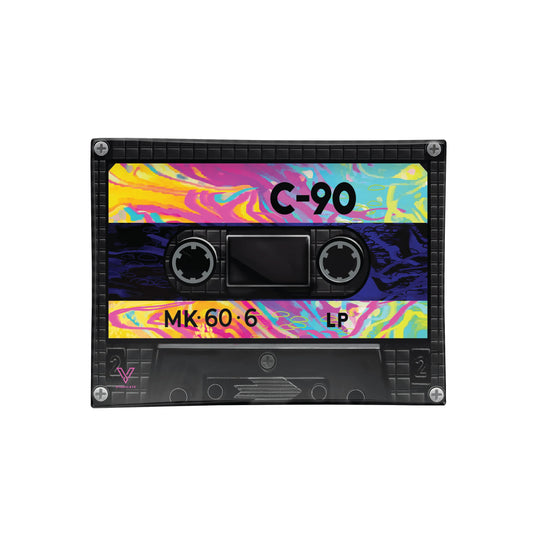
Collection: Glass Rolling Trays

Crisp, clean, and undeniably premium, Glass Rolling Trays bring a luxe feel to your setup with a perfectly flat surface that wipes crystal-clear in seconds. As a subcategory of our Coolest Rolling Trays collection, this page highlights tempered and borosilicate options by size and style, so you can compare finishes, edge profiles, and accessories to build a tray that looks as good as it performs.

Why Choose a Glass Rolling Tray?

If you’re after precision and presentation, glass is hard to beat. The ultra-smooth surface makes carding effortless; the added weight plants the tray firmly on coffee tables and desks. Glass won’t absorb odors and shows exactly what’s on the surface, helping you gather every last crumb. Many designs feature printed artwork under the glass for a gallery-like look that stays protected from wear.

  • Ultra-smooth glide: Perfectly flat surface for clean, consistent rolls.
  • Premium look: Clear, glossy finish with rich printed or mirrored designs.
  • Easy cleanup: Non-porous and fast to wipe spotless.
  • Stable feel: Satisfying weight with non-slip feet that protect furniture.

Shop by Size

Think about where you roll and how many tools you keep on-tray. Glass shines as a display-worthy station, give yourself enough room for a relaxed workflow without crowding your table. If you host or prep multiple cones, go up a size; the added acreage keeps everything visible and accessible.

  • Small (8–10") – Minimal footprint for personal sessions and nightstands.
  • Medium (11–13") – Everyday balance for grinder, papers, tips, and a lighter.
  • Large (14–16"+) – Full workstation space for jars, tools, and batch prep.

Tip: Measure your tallest grinder or jar. You’ll want clear space to move without bumping edges.

Popular Styles

Not all glass trays are identical, edge style, artwork placement, and accessories change how they handle and how they look in your space. Choose a style that matches your routine and your décor.

  • Tempered glass with rounded edges: Durable, heat-strengthened glass with soft corners and polished rims.
    Best for: Everyday use and easy cleanup without sharp edges.

  • Borosilicate glass (lab-grade): Highly thermal-shock resistant with a refined, lightweight feel.
    Best for: Premium setups and users who want lighter-in-hand glass.

  • Printed/underlay art: Artwork protected beneath the glass for a museum-like depth.
    Best for: Statement pieces that double as table décor.

  • Mirrored or frosted finishes: Reflective and matte options to match modern interiors.
    Best for: Minimalist setups or low-light rooms where glare control matters.

  • Silicone-sleeved edges / rubber feet: Added grip and impact buffer with furniture-safe footing.
    Best for: Glass-topped tables and households that want extra protection.

Glass vs. other materials

Materials change both feel and function. Glass offers the slickest surface and the most refined look; metal is ultra-rigid and thin; wood is warm and quiet; silicone is flexible and grippy. Many shoppers keep a glass tray as a “showpiece station” and pair it with a silicone or metal tray for travel.

  • Glass vs. Metal: Glass is heavier and more luxe; metal is lighter and louder but ultra-durable.
  • Glass vs. Wood: Glass wipes perfectly clean; wood is warmer and quieter under tools.
  • Glass vs. Silicone: Glass is rigid and elegant; silicone grips soft surfaces and rinses in seconds.

Feature checklist

Before you add to cart, audit the details that make glass a joy to use day in, day out. The right combination protects your furniture, simplifies cleanup, and keeps the tray looking mint.

  1. Tempered or borosilicate: Look for strengthened glass for everyday durability.
  2. Edge profile: Rounded, polished rims feel better in hand and resist chipping.
  3. Surface finish: Clear for shine, frosted for glare control, mirrored for drama.
  4. Non-slip feet/sleeve: Silicone pads or wraps keep the tray planted and protect tables.
  5. Artwork placement: Under-glass prints stay vivid and won’t scratch off.
  6. Thickness & weight: Heavier builds stay put; thinner ones are easier to stash.
  7. Optional lid/case: For travel or tidy storage, consider a padded sleeve or lidded system.

Buyer’s guide: match glass to your routine

Start with your surfacem a glass coffee table may benefit from non-slip pads or a silicone sleeve. If you roll in low light, consider frosted finishes or edge lighting nearby to reduce glare. Minimalists love small, clear trays that disappear into the room; entertainers and batch-rollers prefer large, printed trays that function as design pieces.

  • Where you roll: Desk/couch/patio determines size and grip needs.
  • How you roll: Solo vs. group rolling dictates surface area.
  • Aesthetic goals: Clear minimalism, gallery art, or mirrored modernism.
  • Maintenance style: All glass is easy to wipe; frosted hides fingerprints best.

Care & maintenance

Glass is straightforward to maintain, treat it like a showpiece and it will stay one. Avoid abrasive pads and keep the pads/feet clean so they don’t transfer dust to the table. A quick routine after each session prevents buildup and preserves the shine.

  • Use a damp microfiber cloth with mild soap or glass cleaner; dry to a streak-free finish.
  • Avoid abrasive scrubbers that could haze the surface or damage printed art.
  • Check and clean non-slip feet; replace if worn for continued stability.
  • Store upright or in a padded sleeve if you move the tray often.

Frequently asked questions

Is glass too fragile for daily use?

Quality tempered or borosilicate trays hold up well for everyday rolling. Treat them like you would a glass cutting board, confident, not careless.

Will glass scratch my table?

Most trays include non-slip feet or a silicone edge. If yours doesn’t, add felt or silicone pads to protect delicate surfaces.

Do fingerprints show on glass?

They can on glossy finishes. A quick microfiber wipe brings back a crystal-clear look; frosted glass shows fewer smudges.

Is a large glass tray heavy?

It has reassuring weight that keeps it planted. If you plan to store it away after sessions, consider medium sizes for easier handling.

Can I use metal tools on a glass tray?

Yes. Just avoid aggressive scraping. Many users prefer plastic or silicone card scrapers to keep the surface pristine.

Shop Rolling Trays by Type

Crisp, clean, and undeniably premium, Glass Rolling Trays bring a luxe feel to your setup with a perfectly flat surface that wipes crystal-clear in seconds. As a subcategory of our Coolest Rolling Trays collection, this page highlights tempered and borosilicate options by size and style, so you can compare finishes, edge profiles, and accessories to build a tray that looks as good as it performs.

Why Choose a Glass Rolling Tray?

If you’re after precision and presentation, glass is hard to beat. The ultra-smooth surface makes carding effortless; the added weight plants the tray firmly on coffee tables and desks. Glass won’t absorb odors and shows exactly what’s on the surface, helping you gather every last crumb. Many designs feature printed artwork under the glass for a gallery-like look that stays protected from wear.

  • Ultra-smooth glide: Perfectly flat surface for clean, consistent rolls.
  • Premium look: Clear, glossy finish with rich printed or mirrored designs.
  • Easy cleanup: Non-porous and fast to wipe spotless.
  • Stable feel: Satisfying weight with non-slip feet that protect furniture.

Shop by Size

Think about where you roll and how many tools you keep on-tray. Glass shines as a display-worthy station, give yourself enough room for a relaxed workflow without crowding your table. If you host or prep multiple cones, go up a size; the added acreage keeps everything visible and accessible.

  • Small (8–10") – Minimal footprint for personal sessions and nightstands.
  • Medium (11–13") – Everyday balance for grinder, papers, tips, and a lighter.
  • Large (14–16"+) – Full workstation space for jars, tools, and batch prep.

Tip: Measure your tallest grinder or jar. You’ll want clear space to move without bumping edges.

Popular Styles

Not all glass trays are identical, edge style, artwork placement, and accessories change how they handle and how they look in your space. Choose a style that matches your routine and your décor.

  • Tempered glass with rounded edges: Durable, heat-strengthened glass with soft corners and polished rims.
    Best for: Everyday use and easy cleanup without sharp edges.

  • Borosilicate glass (lab-grade): Highly thermal-shock resistant with a refined, lightweight feel.
    Best for: Premium setups and users who want lighter-in-hand glass.

  • Printed/underlay art: Artwork protected beneath the glass for a museum-like depth.
    Best for: Statement pieces that double as table décor.

  • Mirrored or frosted finishes: Reflective and matte options to match modern interiors.
    Best for: Minimalist setups or low-light rooms where glare control matters.

  • Silicone-sleeved edges / rubber feet: Added grip and impact buffer with furniture-safe footing.
    Best for: Glass-topped tables and households that want extra protection.

Glass vs. other materials

Materials change both feel and function. Glass offers the slickest surface and the most refined look; metal is ultra-rigid and thin; wood is warm and quiet; silicone is flexible and grippy. Many shoppers keep a glass tray as a “showpiece station” and pair it with a silicone or metal tray for travel.

  • Glass vs. Metal: Glass is heavier and more luxe; metal is lighter and louder but ultra-durable.
  • Glass vs. Wood: Glass wipes perfectly clean; wood is warmer and quieter under tools.
  • Glass vs. Silicone: Glass is rigid and elegant; silicone grips soft surfaces and rinses in seconds.

Feature checklist

Before you add to cart, audit the details that make glass a joy to use day in, day out. The right combination protects your furniture, simplifies cleanup, and keeps the tray looking mint.

  1. Tempered or borosilicate: Look for strengthened glass for everyday durability.
  2. Edge profile: Rounded, polished rims feel better in hand and resist chipping.
  3. Surface finish: Clear for shine, frosted for glare control, mirrored for drama.
  4. Non-slip feet/sleeve: Silicone pads or wraps keep the tray planted and protect tables.
  5. Artwork placement: Under-glass prints stay vivid and won’t scratch off.
  6. Thickness & weight: Heavier builds stay put; thinner ones are easier to stash.
  7. Optional lid/case: For travel or tidy storage, consider a padded sleeve or lidded system.

Buyer’s guide: match glass to your routine

Start with your surfacem a glass coffee table may benefit from non-slip pads or a silicone sleeve. If you roll in low light, consider frosted finishes or edge lighting nearby to reduce glare. Minimalists love small, clear trays that disappear into the room; entertainers and batch-rollers prefer large, printed trays that function as design pieces.

  • Where you roll: Desk/couch/patio determines size and grip needs.
  • How you roll: Solo vs. group rolling dictates surface area.
  • Aesthetic goals: Clear minimalism, gallery art, or mirrored modernism.
  • Maintenance style: All glass is easy to wipe; frosted hides fingerprints best.

Care & maintenance

Glass is straightforward to maintain, treat it like a showpiece and it will stay one. Avoid abrasive pads and keep the pads/feet clean so they don’t transfer dust to the table. A quick routine after each session prevents buildup and preserves the shine.

  • Use a damp microfiber cloth with mild soap or glass cleaner; dry to a streak-free finish.
  • Avoid abrasive scrubbers that could haze the surface or damage printed art.
  • Check and clean non-slip feet; replace if worn for continued stability.
  • Store upright or in a padded sleeve if you move the tray often.

Frequently asked questions

Is glass too fragile for daily use?

Quality tempered or borosilicate trays hold up well for everyday rolling. Treat them like you would a glass cutting board, confident, not careless.

Will glass scratch my table?

Most trays include non-slip feet or a silicone edge. If yours doesn’t, add felt or silicone pads to protect delicate surfaces.

Do fingerprints show on glass?

They can on glossy finishes. A quick microfiber wipe brings back a crystal-clear look; frosted glass shows fewer smudges.

Is a large glass tray heavy?

It has reassuring weight that keeps it planted. If you plan to store it away after sessions, consider medium sizes for easier handling.

Can I use metal tools on a glass tray?

Yes. Just avoid aggressive scraping. Many users prefer plastic or silicone card scrapers to keep the surface pristine.

Shop Rolling Trays by Type